

Top Problems in Pakistan’s Education System and Solutions
Imagine a country where millions of children dream of a better future, yet face barriers that keep quality education out of reach. In Pakistan, the education system grapples with deep-rooted issues that affect not just local students but also draw attention from global audiences in the USA and Europe interested in international development.
As we step into 2025, understanding the problems in education system of Pakistan is crucial for fostering change. This post dives into the core challenges, backed by recent insights, and offers practical solutions to build a stronger educational foundation. Whether you’re a parent in Pakistan, an educator abroad, or a policymaker, these insights can spark meaningful discussions on global education equity.
The Funding Crisis: A Major Barrier to Progress
One of the most pressing problems in education system of Pakistan stems from inadequate funding. Pakistan allocates only about 2–3% of its GDP to education, far below the UNESCO-recommended 4–6%. Consequently, schools often lack basic resources like textbooks and electricity. This shortfall leads to overcrowded classrooms and outdated facilities, making learning environments less effective.
Impact on Schools and Students
In rural areas, where poverty is rampant, low budgets result in ghost schools—buildings that exist on paper but not in reality. Additionally, urban schools face similar issues with maintenance, leading to safety hazards. For international observers in the USA or Europe, this highlights how underfunding perpetuates cycles of inequality, similar to challenges in under-resourced districts worldwide.
Why It Persists
Political priorities often favor other sectors, leaving education underinvested. However, recent reports from 2025 indicate a slight increase in provincial budgets, yet it’s not enough to bridge the gap. Therefore, addressing this requires targeted advocacy from both local and global stakeholders.
Infrastructure and Access Challenges
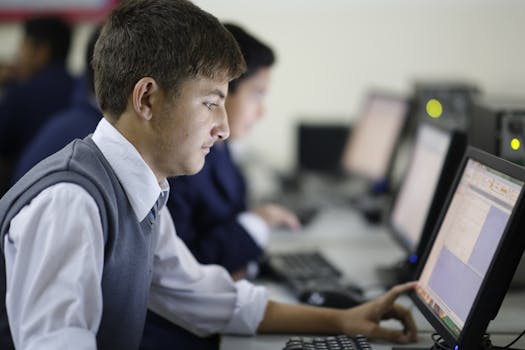
Pakistan’s education infrastructure is another critical hurdle. With over 22.8 million children out of school as of 2025, access remains a significant issue, especially in remote regions. Floods and conflicts exacerbate this, destroying schools and displacing families. Moreover, gender disparities are stark, with girls facing cultural and logistical barriers to attendance.
Rural vs. Urban Divide
In urban centers like Lahore or Karachi, private schools offer better facilities, but public ones lag behind. Conversely, rural students might walk miles to attend class, only to find dilapidated buildings. This divide not only affects learning but also contributes to high dropout rates, particularly after primary school.
Global Comparisons
Compared to European countries with universal access, Pakistan’s challenges underscore the need for infrastructure investment. For instance, initiatives like community-built schools could mirror successful models in the USA’s rural education programs. Thus, improving access involves building resilient structures and promoting inclusive policies.
Teacher Quality and Training Deficiencies
Teachers are the backbone of any education system, yet in Pakistan, many lack proper training. Untrained or underqualified educators often rely on rote learning, stifling critical thinking. Furthermore, absenteeism is rampant due to low salaries and poor working conditions, affecting student outcomes.
Training Gaps
Only a fraction of teachers receive ongoing professional development, leading to outdated teaching methods. In 2025, studies show that this results in low literacy rates, with just 62.8% overall and even lower for females. As a result, students graduate without essential skills for the modern workforce.
Motivation and Retention Issues
Low pay—often below living wages—discourages talented individuals from entering the field. However, programs like teacher certification could help, drawing inspiration from European models where educators are well-compensated. Therefore, investing in teachers is key to elevating the entire system.
Outdated Curriculum and Learning Outcomes
The curriculum in Pakistan’s schools is often criticized for being rigid and exam-focused. It emphasizes memorization over practical skills, leaving students unprepared for real-world challenges. Additionally, the lack of integration with technology widens the gap in a digital age.
Relevance to Modern Needs
Subjects like STEM are taught theoretically, without hands-on labs, which hampers innovation. In contrast, curricula in the USA incorporate project-based learning, fostering creativity. Thus, Pakistan’s system needs updates to include vocational training and digital literacy.
Language Barriers
Instruction in English or Urdu, not always the mother tongue, confuses young learners. This issue, highlighted in recent research articles on education in Pakistan, affects comprehension and retention. Consequently, multilingual approaches could enhance understanding and engagement.
Inequality and Social Issues
Social disparities amplify the problems in education system of Pakistan. Gender bias, economic inequality, and regional differences create a two-tiered system where elite private schools thrive while public ones struggle. Moreover, children from low-income families face additional hurdles like child labor, pulling them away from classrooms.
Gender and Economic Disparities
Girls’ enrollment is lower due to safety concerns and early marriages, with only 48% literacy among females. Poverty forces many boys into work, perpetuating illiteracy cycles. For audiences in Europe, this mirrors historical gender gaps now largely resolved through policy reforms.
Political and Administrative Hurdles
Political interference in appointments and curricula adds to inefficiencies. However, decentralizing authority to provinces could streamline operations, as suggested in education system of Pakistan PDF resources. Therefore, tackling inequality requires holistic social reforms.
Practical Solutions to Overcome These Challenges
While the problems are daunting, solutions exist to revitalize Pakistan’s education system. First, increasing the education budget to at least 4% of GDP would fund infrastructure and teacher salaries. Additionally, partnering with international organizations like UNESCO could bring expertise and resources.
Implementing Reforms
Curriculum modernization should focus on skills like critical thinking and digital tools. Teacher training programs, perhaps through online platforms, can upskill educators efficiently. Moreover, community involvement—such as parent-teacher associations—can ensure accountability and reduce absenteeism.
Role of Technology and Global Aid
Integrating e-learning, inspired by post-COVID adaptations in the USA, could bridge access gaps in remote areas. European countries could collaborate on scholarships for Pakistani students, fostering knowledge exchange. Thus, a multi-faceted approach, including public-private partnerships, is essential for sustainable change.
Conclusion
The problems in education system of Pakistan—from funding shortages to outdated curricula—continue to hinder progress, but with targeted solutions, a brighter future is possible. As we look ahead in 2025, empowering students through better access, quality teaching, and inclusive policies will drive national development. For readers in the USA, Pakistan, or Europe, supporting education initiatives here can have global ripple effects.
Explore more on basiceducation.pk for guides on scholarships and admissions—your involvement could make a difference today.
Frequently Asked Questions
Q: What are the problems with education system in Pakistan?
A: The education system in Pakistan faces issues like inadequate funding, poor infrastructure, and untrained teachers, leading to high dropout rates. Gender disparities and regional inequalities further exacerbate access problems, with millions of children out of school. Outdated curricula emphasize rote learning, hindering critical thinking and practical skills development. Political interference and low budget allocation perpetuate these challenges across public institutions. Addressing them requires comprehensive reforms for equity and quality.
Q: What is the biggest problem in education today?
A: In Pakistan, the biggest problem is the learning crisis, where students attend school but fail to acquire basic skills due to poor teaching quality. Globally, this mirrors issues like access to quality education amid economic pressures, but in Pakistan, it’s amplified by underfunding and infrastructure gaps. This affects long-term economic growth and social mobility for millions. Solutions involve investing in teacher training and modern curricula. International comparisons show that early interventions can significantly improve outcomes.
Q: How can we improve the education system in Pakistan?
A: To improve the education system in Pakistan, increase budget allocation to at least 4% of GDP for better infrastructure and resources. Enhance teacher training through ongoing professional development and competitive salaries to boost motivation. Update the curriculum to include digital literacy and vocational skills, reducing rote learning. Promote gender equality via safe schools and awareness campaigns. Foster public-private partnerships for innovation and community involvement in monitoring progress.
Q: What is the biggest issue facing higher education today?
A: In Pakistan’s higher education, the biggest issue is poor quality due to outdated facilities, academic fraud, and lack of research focus. This leads to graduates unprepared for the job market, with high unemployment rates among degree holders. Political interference in universities further erodes standards. Globally, similar challenges include rising costs, but in Pakistan, solutions like international collaborations could enhance curricula. Reforming assessment methods to emphasize skills over memorization is crucial.
Q: What is the biggest problem faced by students today?
A: Pakistani students face financial barriers, making education unaffordable for many from low-income families. Poor learning environments and irrelevant curricula add to frustration, leading to disengagement. In the new normal, digital divides limit access to online resources. Mental health issues from exam pressure are rising. Support through scholarships and counseling can help alleviate these pressures.
Q: What is the biggest challenge in this new normal education?
A: The biggest challenge in Pakistan’s new normal education is the digital divide, where rural students lack internet and devices for online learning. Post-COVID shifts highlighted inequalities in access and teacher readiness for hybrid models. This affects learning outcomes, especially in underserved areas. Building resilient infrastructure and training educators in tech tools are key steps forward. International aid could accelerate adoption of inclusive e-learning platforms.